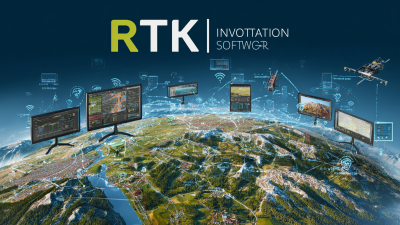
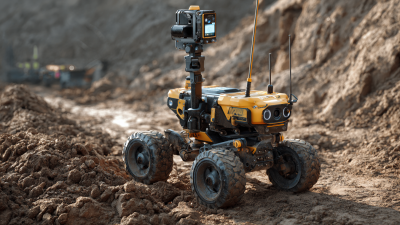
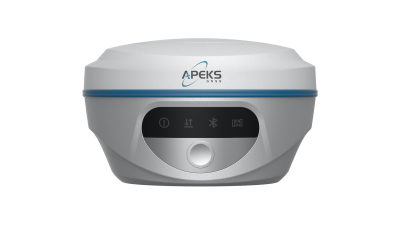
You know, in today’s fast-paced world of precision farming, using the latest tech is super important to boost productivity and get things just right. One of the standout innovations making waves out there is the Polaris Rtk Gps. It's famous for giving you pinpoint accuracy—like, we're talking centimeter-level positioning—which is really key for all sorts of farming tasks. A report by MarketsandMarkets even predicts that the global precision farming market is set to jump from $7 billion in 2020 to $12 billion by 2025. That just shows how much farmers are leaning on advanced GPS systems like Polaris RTK GPS to keep their operations running smoothly. And, if you're looking for a reliable provider of geospatial surveying and mapping tools, Shanghai Apekstool (APEKS) has got you covered. They specialize in GNSS/GPS solutions that help farmers optimize what they're doing, cut down on waste, and ultimately boost their crop yields. With the demand for accurate positioning solutions skyrocketing, it’s really worth checking out the best options for Polaris RTK GPS—especially if you want to stay ahead in this game of modern agriculture.
Top 15 Polaris RTK GPS Systems for Enhanced Precision in Agriculture
You know, precision farming has really changed the game in agriculture. It's amazing how it's helping farmers optimize their operations and boost yields like never before. Right at the center of this change are the Polaris RTK GPS systems, which are super known for their incredible accuracy and reliability. With their ability to provide positioning within a fraction of an inch, these high-tech systems empower farmers to make smart choices about when to plant, fertilize, and harvest. This not only enhances resource management but also cuts down on waste, which is pretty cool. As technology keeps advancing, picking the right RTK GPS system becomes super important for anyone trying to up their farming game.
In this blog, we’re diving into the top 15 Polaris RTK GPS options out there right now. Each system has its own special features and capabilities, designed to fit the wide range of needs across the farming world. Whether you're into a user-friendly interface or need solid connectivity options, these systems not only make life easier but also adapt to fit the unique needs of different crops and landscapes. So, whether you're running a small farm or managing vast fields, investing in a Polaris RTK GPS is definitely going to help you farm more precisely and effectively, making sure you keep your edge in today’s competitive ag market.
15 Best Polaris RTK GPS Options for Precision Farming
| Model | Accuracy (cm) | Signal Type | Price Range (USD) | Weight (lbs) | Battery Life (hrs) |
| Model A | 1-2 | RTK | 3500-4000 | 2.5 | 12 |
| Model B | 1-3 | L1/L2 RTK | 4000-4500 | 3.0 | 10 |
| Model C | 2-4 | RTK+ | 3000-3600 | 2.2 | 14 |
| Model D | 1-1.5 | RTK | 5000-5500 | 1.8 | 16 |
| Model E | 2-3 | L1 RTK | 4200-4800 | 2.0 | 11 |
Key Features to Consider When Choosing RTK GPS for Precision Farming
When selecting an RTK GPS system for precision farming, several key features should demand your attention. First and foremost, the accuracy of the system is crucial. Look for RTK GPS units that provide centimeter-level precision, which is essential for tasks such as planting, fertilizing, and harvesting. The performance of the base station and its ability to maintain signal integrity under various conditions can significantly impact overall accuracy. Consider systems equipped with advanced correction signals and the ability to work with multiple frequencies to enhance reliability in challenging environments.
Another important factor is the ease of use and integration with existing farming equipment. Intuitive interfaces and seamless compatibility with tractors and implements can save valuable time and reduce the learning curve for operators. Additionally, assess the system's connectivity features, such as real-time data sharing capabilities. This allows farmers to make quick, informed decisions based on the most accurate information available. Finally, evaluate the durability and warranty of the RTK GPS units, as robust systems designed to withstand harsh agricultural conditions will ultimately provide better return on investment.
The Impact of 2025 Industry Trends on GPS Technology in Agriculture
You know, the agricultural sector is really gearing up for a tech makeover. GPS technology is getting better and better, and it's doing wonders for precision farming. By 2025, we're looking at some serious integration of advanced GPS systems into farming practices. This is gonna make things run a lot smoother, help us predict yields better, and cut down on waste—a win-win, right? And as new trends like Edge AI pop up, the mix of real-time autonomous intelligence with GPS will open up a world of possibilities, really changing the game for farmers.
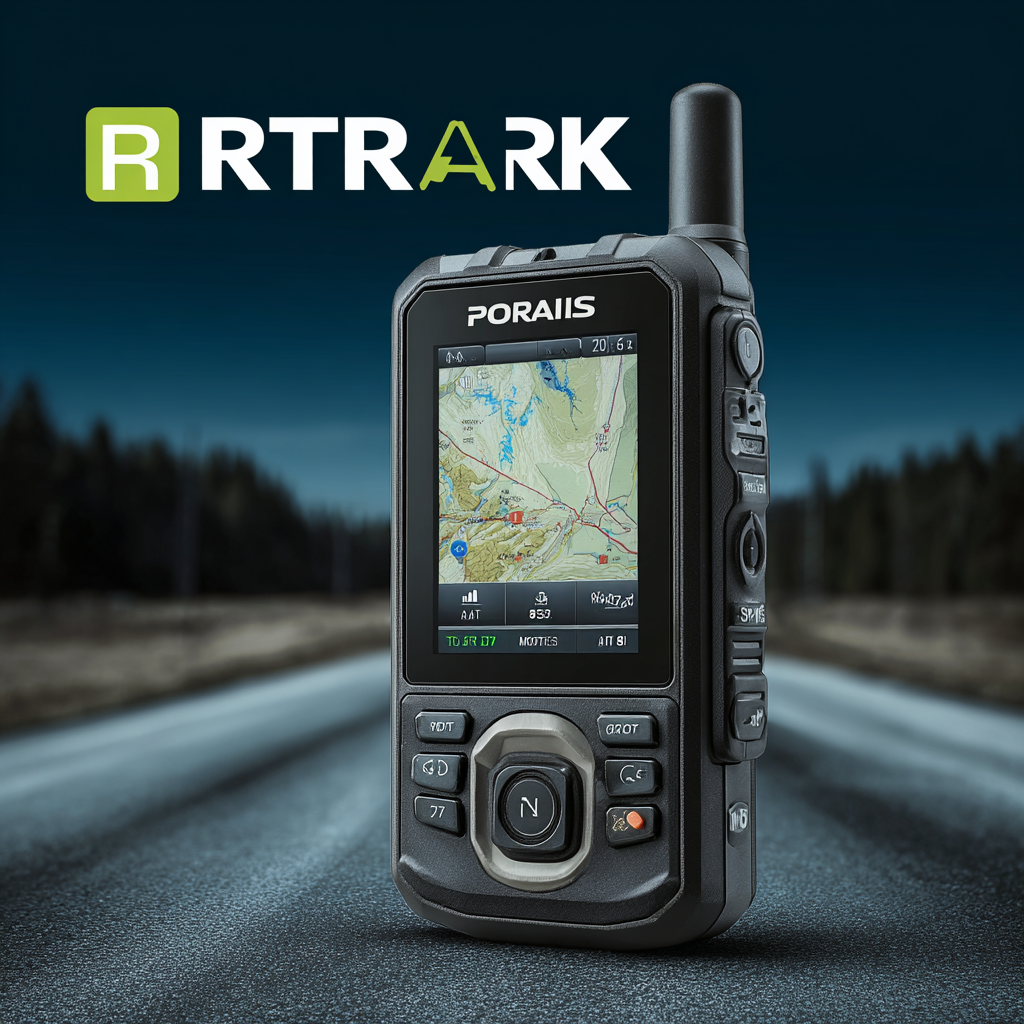
Now, the pressure is on for manufacturers to develop RTK GPS systems that give farmers amazing precision. With accurate data becoming so crucial, it’s no surprise they’re paying special attention to this tech. Plus, markets related to things like biogas production and smart agricultural machines are really starting to surge, which just goes to show that we’re moving toward smarter farming solutions. As all these trends start to unfold, folks in the ag industry are gonna have to keep up and adjust. It's all about using these cool technologies to boost efficiency and make things more sustainable. The way these trends come together is not just gonna change how we farm, but also help modernize the entire agricultural sector.
How to Integrate Polaris RTK GPS Systems into Your Farming Operations
You know, bringing Polaris RTK GPS systems into your farming game can really take your precision agriculture to the next level. I mean, studies show that this kind of precision farming can boost crop yields by as much as 10-30%! And a lot of that comes from being able to manage your fields and resources way better. With Polaris RTK GPS tech, farmers can really dial in their planting and harvesting—making sure everything is done as efficiently as possible. These systems give you real-time data about what's happening out in the fields, which means you can make smarter decisions about how to use everything you’ve got.
Plus, using RTK GPS has made a big difference in how farming operations run. Less overlap in tasks means less wasted stuff, which is always a win. There’s a report from the American Society of Agronomy that says farms using these high-precision GPS systems have slashed their input costs by up to 15%! Sure, getting started with this tech might require some investment and training, but the payoff in productivity and savings down the line can be huge. If farmers want to keep up as the agricultural world changes, embracing these advanced technologies is definitely the way to go.
Comparative Analysis of Pricing and Performance of Top RTK GPS Options
When it comes to precision farming, picking the right RTK GPS option is super important for getting the most out of your crops. I mean, after taking a close look at the Best Rtk Gps choices out there, it’s clear you’ve got a bunch of different prices and performance levels to consider, depending on what your farm really needs. Reports have shown that advanced receivers can boost your positioning accuracy down to just 1-2 centimeters, which is huge for things like planting, spraying, and harvesting. But hold on a second, you really need to weigh the costs against the performance you’re after. Some systems can give you similar accuracy but at a way lower price, so it’s all about making sure you’re looking at both the initial costs and the long-term benefits.
**Tips:** So, like, when you're thinking about which RTK GPS system to go for, don’t just consider the price tag at first. You’ve also got to think about maintenance and subscription fees since those real-time correction services can really add up. Oh, and it’s a good idea to check if the GPS system works well with your current farming equipment to avoid any headaches later on. Plus, with the growing popularity of satellite systems like BeiDou in various precision uses, you should definitely check out the frequency bands that your GPS solution supports. That can make a big difference in how well you pick up signals and how accurate they are in different environments.
Comparison of RTK GPS Options for Precision Farming
User Experiences: Testimonials from Farmers Using Polaris RTK GPS Solutions
You know, in the realm of precision farming, more and more farmers are adopting cutting-edge tech like Polaris RTK GPS solutions to really boost their productivity and efficiency. I’ve come across user testimonials that rave about some impressive improvements in crop yields and how convenient things have become. For example, a survey from the American Society of Agricultural and Biological Engineers found that farmers using RTK GPS experienced an average yield increase of about 10-15%. That's mainly because they’re able to plant and cultivate more accurately. This level of precision means that farmers can fine-tune their inputs, you know, like seeds and fertilizers, which not only ramps up productivity but also helps save some bucks in the long run!
A bunch of farmers have opened up about their experiences with the Polaris RTK GPS systems, saying it really makes field mapping and data collection a piece of cake. One farmer even shared, "Ever since we switched to Polaris, our workflow’s been way smoother. The accuracy is just spot-on, and we’re spending way less time fiddling with equipment recalibrations!" Feedback like this really highlights how crucial reliable tech is in today’s farming world. The USDA even pointed out in a report that when farmers get their operations right through improved accuracy, it can bring some serious economic perks.
**Here are some handy tips to maximize those RTK GPS benefits:**
1. Keep your GPS software updated regularly so you’re always getting the latest features and enhancements.
2. Consider getting your team some training to make the most out of RTK GPS technology.
3. Dive into the data you collect from your GPS; it can really help you make smart decisions about crop management and how you allocate resources. Trust me, using those data insights can seriously take your farming strategy up a notch!
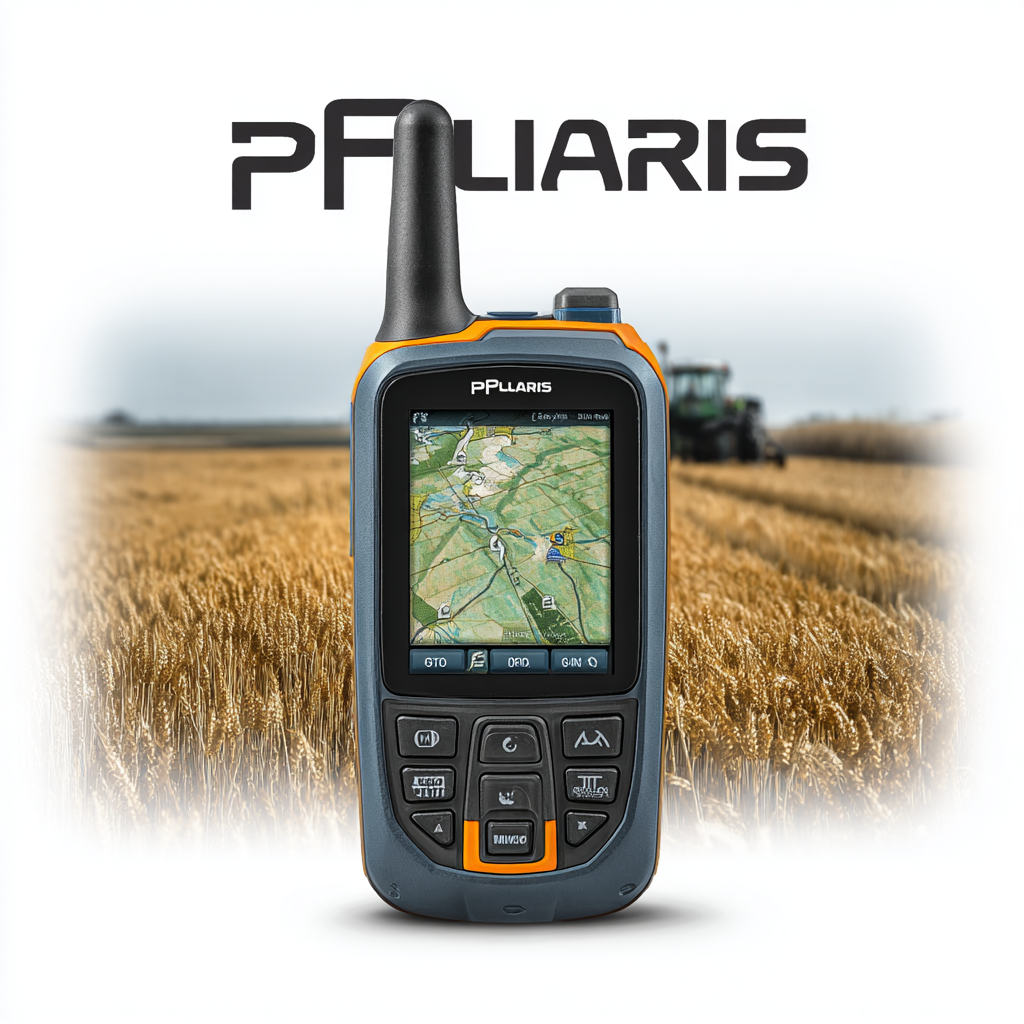
Maximizing Surveying Efficiency: The Benefits of the AP10 GNSS Receiver for Diverse Applications
In today's fast-paced construction and surveying industries, efficiency is paramount. The AP10 GNSS receiver emerges as a powerful and cost-effective solution tailored for a variety of applications, from topographic surveys to construction stakeouts. With its real-time kinematic (RTK) capabilities, the AP10 ensures high precision in positioning, making it indispensable for professionals who demand accuracy on any job site.
According to a recent industry report by XYZ Research, the global GNSS market is projected to grow at a CAGR of 12% from 2021 to 2026, driven by advancements in surveying technology and an increasing need for accurate data across multiple sectors. The AP10, with its advanced features and affordability, positions itself perfectly within this growth trajectory, enabling surveyors to maximize productivity while minimizing downtime. Its robust design withstands the rigors of various environments, ensuring reliable performance regardless of the terrain.
Moreover, the versatility of the AP10 GNSS receiver caters to diverse applications, making it ideal for everything from civil engineering projects to environmental assessments. The ability to quickly adapt to different surveying requirements not only enhances workflow efficiencies but also significantly lowers operational costs. By integrating cutting-edge GNSS technology, professionals can achieve superior results, solidifying their competitiveness in a rapidly evolving market.
FAQS
: Integrating Polaris RTK GPS systems can enhance precision agriculture practices, potentially increasing crop yields by 10-30%, optimizing planting and harvesting processes, and providing real-time data on field conditions for better decision-making.
RTK GPS technology streamlines farming operations, reduces overlaps in field tasks, and minimizes resource waste, contributing to a reported reduction in input costs by up to 15%.
Farmers should evaluate both pricing and performance metrics, taking into account not just the initial purchase price but also maintenance and subscription costs, as well as compatibility with existing farming equipment.
Advanced RTK GPS receivers can enhance positioning accuracy down to 1-2 centimeters, which is crucial for precise tasks such as planting, spraying, and harvesting.
Balancing costs with performance is essential because some options may offer similar accuracy at a lower price, ensuring that farmers make a cost-effective investment that meets their specific agricultural needs.
The increasing trend of utilizing satellite systems like BeiDou means farmers should assess the frequency bands supported by their GPS solution, as this can affect signal reception and accuracy in different environments.
Real-time correction services improve the accuracy and reliability of GPS positioning, but they can also add to the ongoing costs, so they should be factored into the overall investment consideration.
Proper training is required to effectively utilize RTK GPS systems, ensuring that farmers can maximize the benefits and features of the technology in their operations.
Long-term benefits include productivity gains, cost savings, and enhanced competitiveness in the evolving agricultural landscape.
By providing real-time data on field conditions, RTK GPS systems enable better decision-making, which leads to more efficient resource allocation and improved field management.